The Evolution of Dismantle Techniques in Home Improvement
Dismantling items in the context of home improvement has evolved significantly over the decades, reflecting changes in materials, tools, and consumer habits. The process now encompasses not just taking apart furniture or structures, but doing so in a way that is safe, efficient, and often eco-friendly. As DIY enthusiasts and professionals alike seek to maximize materials and minimize waste, understanding modern dismantling techniques is essential. When exploring options, dismantle techniques provide comprehensive insights into best practices that can make home renovation projects more sustainable.
Understanding the Basics of Dismantling
Dismantling refers to the process of carefully taking apart an object. This could range from furniture to whole buildings. Understanding the fundamental principles behind dismantling is crucial for anyone looking to engage in home improvement projects. The first step in dismantling is to assess the item thoroughly. Determine its construction method, which will guide your approach in disassembling it. Elements such as screws, nails, and adhesives might be encountered, each requiring different techniques for removal.
The Role of Power Tools in Modern Dismantling
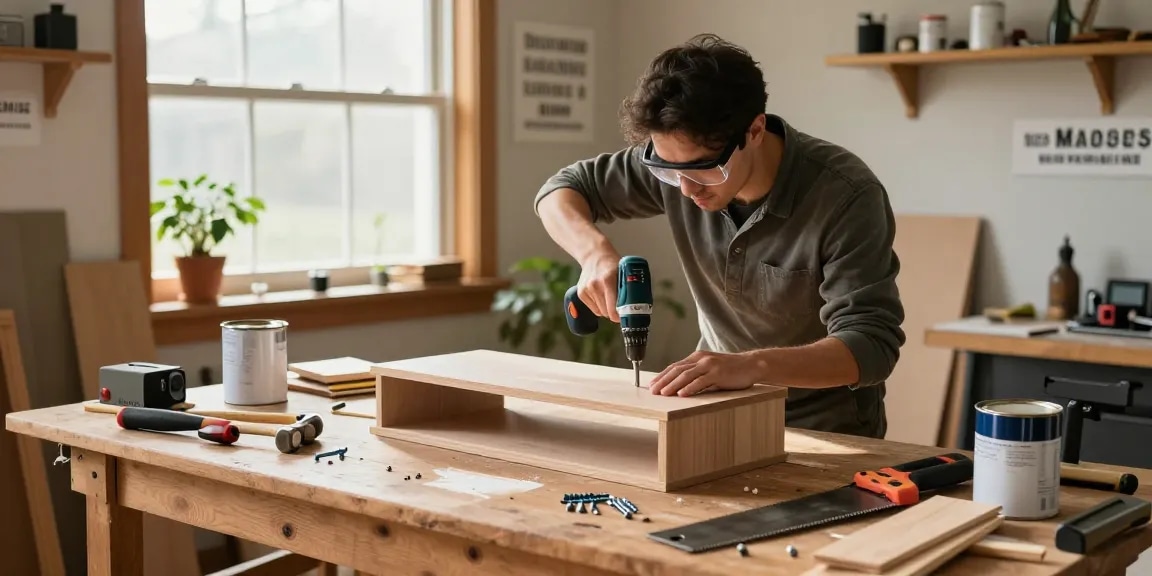
Today, power tools have revolutionized dismantling processes, making them faster and more efficient. Tools such as electric screwdrivers, reciprocating saws, and impact wrenches can dramatically reduce the time it takes to dismantle an object. Additionally, many modern tools are designed to minimize damage to the materials, allowing for easier reuse or recycling of the components. Understanding how to properly use these tools is essential for successful dismantling.
Challenges and Solutions in Dismantling Processes
While dismantling can be straightforward, various challenges may arise during the process. These challenges often stem from the complexity of the object being dismantled or unexpected issues that occur during the project. Identifying potential hurdles before embarking on a dismantling project can help streamline the process.
Identifying the Right Tools for Dismantling
Having the correct tools is paramount in any dismantling project. Basic tools including screwdrivers, pliers, and hammers are often essential, but advanced projects may require specialized equipment. For instance, using a pry bar can assist in removing large pieces without causing damage. Ensuring that tools are not only available but also in good working condition can save significant time and effort during dismantling.
Safety Precautions When Dismantling
Safety should always be a priority when engaging in dismantling tasks. This includes wearing appropriate personal protective equipment (PPE) such as gloves, goggles, and dust masks. It is also critical to work in a well-ventilated area to mitigate inhaling dust or fumes released from materials. Additionally, ensuring that power tools are used correctly and that cords are secured can help avoid accidents.
Dealing with Unexpected Issues During Dismantling
During a dismantling project, unexpected challenges can often arise, such as rusted or stuck screws, or hidden fasteners. When confronted with such issues, it is vital to stay calm and think creatively. Sometimes, applying heat with a heat gun can loosen stuck screws, or a penetrating oil can be used to facilitate removal. Having a troubleshooting mindset will enhance your effectiveness in overcoming these obstacles.
Best Practices for Effective Dismantling
Implementing best practices in dismantling can enhance efficiency and reduce waste, translating to better overall project outcomes. These practices are learned through experience, but they can significantly elevate your dismantling skills.
Step-by-Step Guide to Dismantling Common Furniture
Dismantling furniture can be particularly gratifying when done correctly. A typical step-by-step guide includes:
- Assessing the furniture to identify how it is constructed.
- Gathering the necessary tools based on your assessment.
- Removing any visible fasteners like screws or nails first.
- Using pry bars or hammers to carefully separate pieces.
- Keeping all parts organized for potential reassembly or recycling.
Tips for Organizing Parts and Components
When disassembling, organization is key. It can be beneficial to label parts as they are removed, using containers or zip-lock bags to keep screws and smaller components bundled together. Taking photographs during the dismantling process can also serve as a reference for reassembly, if needed later. This organizational habit not only speeds up the project but also prevents losing important components.
Recycling and Repurposing Dismantled Materials
One of the most rewarding aspects of dismantling is the opportunity to recycle and repurpose materials. Many items that seem outdated can be transformed into new projects, whether through creative DIY initiatives or by donating to local charities. Items such as wood, hardware, and even upholstery can often find new life when given a second chance.
Real-World Applications and Case Studies
Real-world examples of dismantling highlight its effectiveness and creativity in home improvement projects. By studying successful case studies, we can gain insights and inspiration for our own projects.
Success Stories from DIY Enthusiasts
Many DIY enthusiasts have documented their dismantling journeys online, creating blogs and vlogs that inspire others. For example, an individual may share their experience in dismantling an old dresser and transforming it into a modern TV stand. These success stories often include detailed descriptions of the tools used and the challenges faced, providing invaluable lessons for others.
Innovative Projects Using Dismantled Materials
Innovative projects that utilize dismantled materials showcase creativity and resourcefulness. For instance, parts from dismantled pallets can be repurposed into outdoor furniture or decorative garden features. Other creatives turn old furniture into artwork or use wood from dismantled structures to build beautiful, custom items for their homes.
Cost-Benefit Analysis of DIY Dismantling Projects
Engaging in DIY dismantling projects can save money, but it’s essential to weigh the costs and benefits. Many enthusiasts find that while they invest time and effort into dismantling and repurposing materials, the financial savings and satisfaction of creating something new often outweigh these costs. Performing a comprehensive cost-benefit analysis can help prospective DIYers make informed decisions before commencing a project.
Future Trends in Dismantling for Home Renovation
The future of dismantling is promising, with emerging trends that reflect advancements in sustainability and technology. As home renovation continues to evolve, staying on top of these trends will be essential for both DIY enthusiasts and professionals.
Emerging Tools and Technologies in 2026
By 2026, we expect new tools and technologies to emerge that further simplify the dismantling process. Innovations in smart tools, which can offer guidance during dismantling tasks, could revolutionize how projects are approached. For example, tools equipped with sensors can detect the best way to remove fasteners based on the materials involved.
The Shift Towards Sustainable Dismantling Practices
As the demand for eco-friendly home improvements rises, so does the emphasis on sustainable dismantling practices. This includes not only recycling materials but also using techniques that minimize waste and energy consumption. More homeowners and contractors are adopting practices such as deconstruction over demolition, which allows for materials to be salvaged and reused.
Predictions for Home Improvement and DIY Trends
Looking ahead, it’s likely that DIY dismantling will become more integrated with smart home technologies. Homeowners will increasingly rely on digital platforms for guidance, access to tools, and sharing experiences. The DIY culture is anticipated to grow, with more individuals taking on tasks previously reserved for professionals, further impacting the dismantling landscape.
What are the best tools for dismantling furniture?
Some of the best tools include a power screwdriver, a hammer, a pry bar, and a saw. Each serves a specific function, making the process more efficient.
How to safely dismantle large furniture items?
To safely dismantle large furniture, ensure that you have enough space to work. Use sturdy supports for heavy items, wear protective gear, and take your time to avoid injury.
Can I recycle dismantled furniture components?
Yes, many dismantled furniture components can be recycled, including wood, metal, and fabric. It’s important to check local recycling programs for specific guidelines.
What are common mistakes to avoid when dismantling?
Common mistakes include not preparing adequately, rushing the process, and failing to keep parts organized. Taking the time to plan can prevent these issues.
How has technology changed the dismantling process?
Technology has introduced advanced tools that make dismantling quicker and safer. Online resources and tutorial videos have also made learning new techniques easier for DIY enthusiasts.